Committees
About committees
Committees increase public awareness and debate on issues that Parliament is considering. They benefit the community by reviewing proposed laws, allowing more informed policy-making and ensuring greater government accountability.
Committees can be appointed by either or both Houses to look at issues in more detail than is possible if the matter were considered in the House. They can call for written submissions, conduct hearings where witnesses give evidence, and seek advice from experts. Committees offer a way for the public to have a say on issues before the Parliament. Committees report their findings and recommendations for government action to the Parliament.
For more information see role of committees.
Browse committees
How committees work
Make a submission
Committee inquiries usually start with a call for written submissions from the public and relevant organisations. Submissions inform committee members on matters relevant to an inquiry, and show how you, your organisation, or your community feel about an issue.
A submission should address the terms of reference of an inquiry. The terms of reference set out the scope of the inquiry and can be found on each committee's inquiry page.
Most submissions are published on the committee's webpage. If you want your submission to be confidential, please contact the committee staff.
For more information on making a submission to a Legislative Assembly committee inquiry see the Making a submission to a parliamentary committee inquiry brochure.
For more information on Legislative Council Committees, see our Upper House Committees and Making a submission factsheets.
GIve evidence
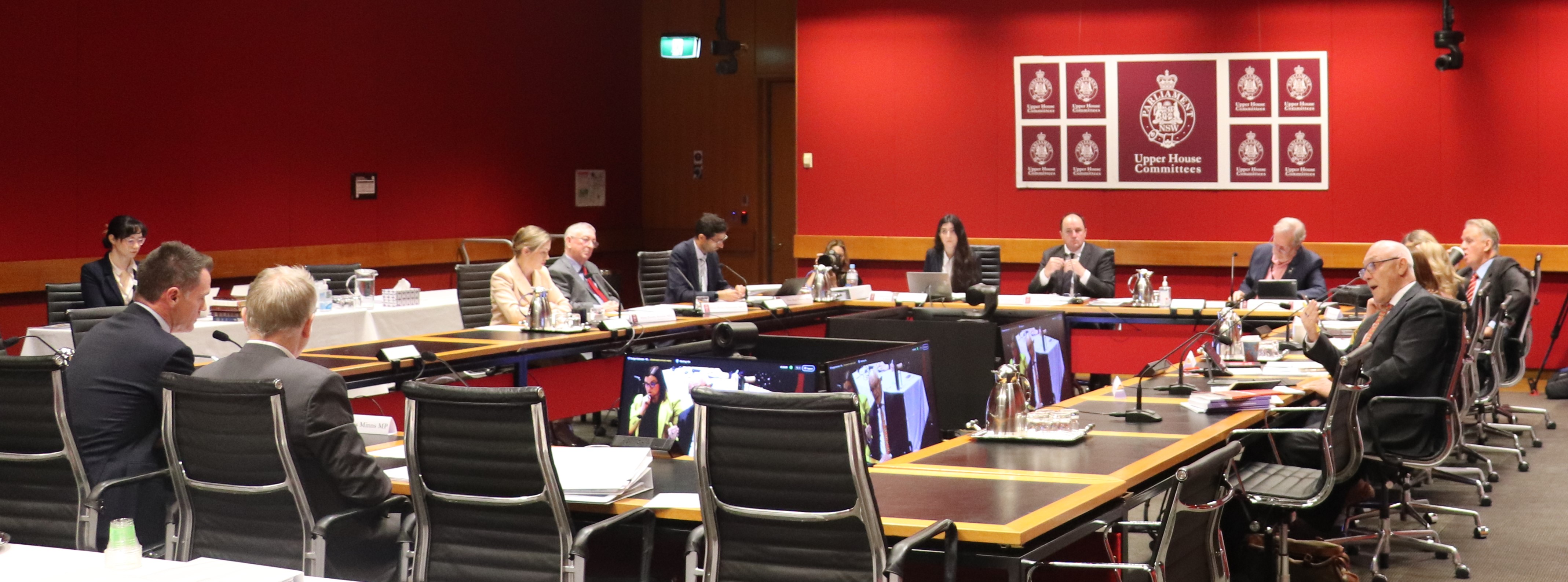
Committee hearings allow members of Parliament to hear directly from the public, interest groups and organisations. They also enable members to clarify or ask for more information on issues raised in submissions.
A committee can invite individuals and representatives to give evidence at a hearing. A witness may have made a submission to the inquiry, but this is not essential. Not all individuals who make a submission will appear as a witness. You can ask to appear at a hearing, but this will be a decision for the committee.
For more information on giving evidence to Legislative Assembly committees, watch the videos below.
- Introduction to committees
- How to prepare if you have been invited as a witness
- What to expect on the day
- After you give evidence
- Parliament House accessibility
More information on giving evidence to Legislative Council Upper House committees, please view our factsheets:
Watch a hearing
People can attend public hearings held at Parliament House or in other locations in NSW. You can also watch hearings live on the Parliament's website.
Committee hearings are usually held in public; however sometimes they are held in private (in camera).
Stay informed
Committee reports are published on the committee reports page and the inquiry page. If a report has recommendations, the Government has to respond to them within 6 months (Legislative Assembly) or 3 months (Legislative Council). Government responses are published on the committee reports page.
Reviewing legislation
Find out more about the work of the Legislation Review Committee and the Delegated Legislation Committee.
Connect with us on social media
Follow us on social media to stay up to date with the latest news, including committee inquiries, public hearings, educational content, events and opportunities to get involved.